The Advantages of Plated Shotshells

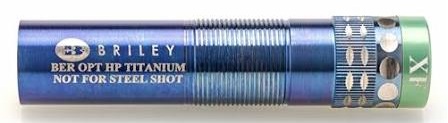
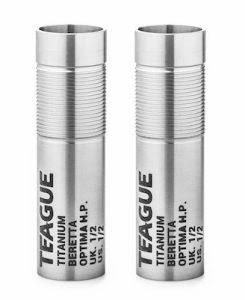
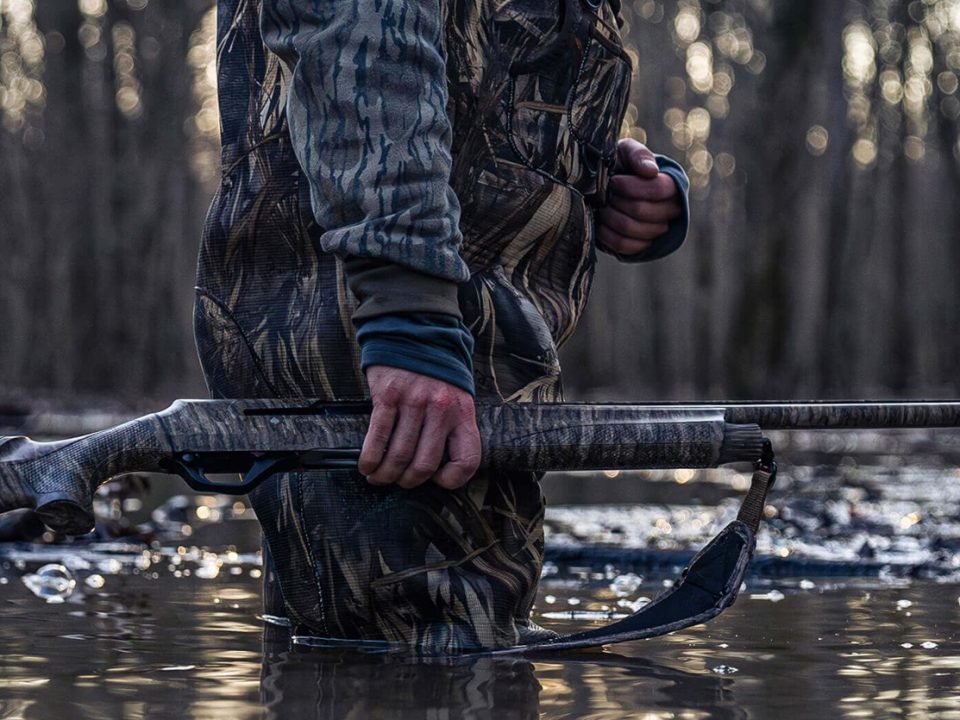
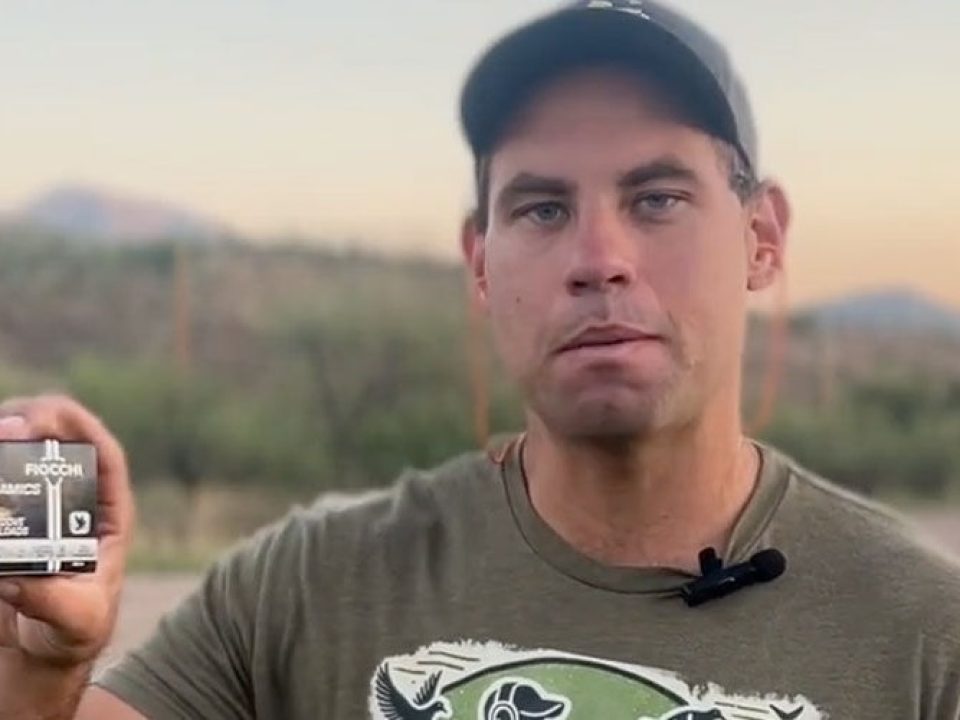
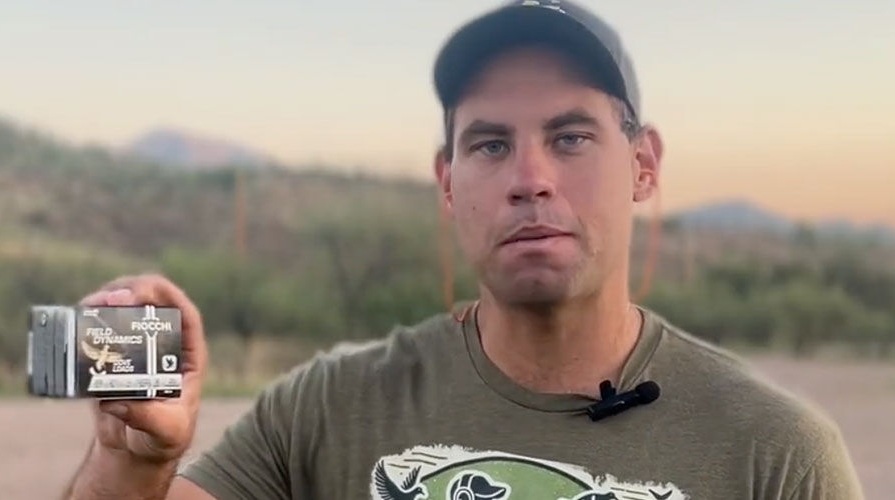
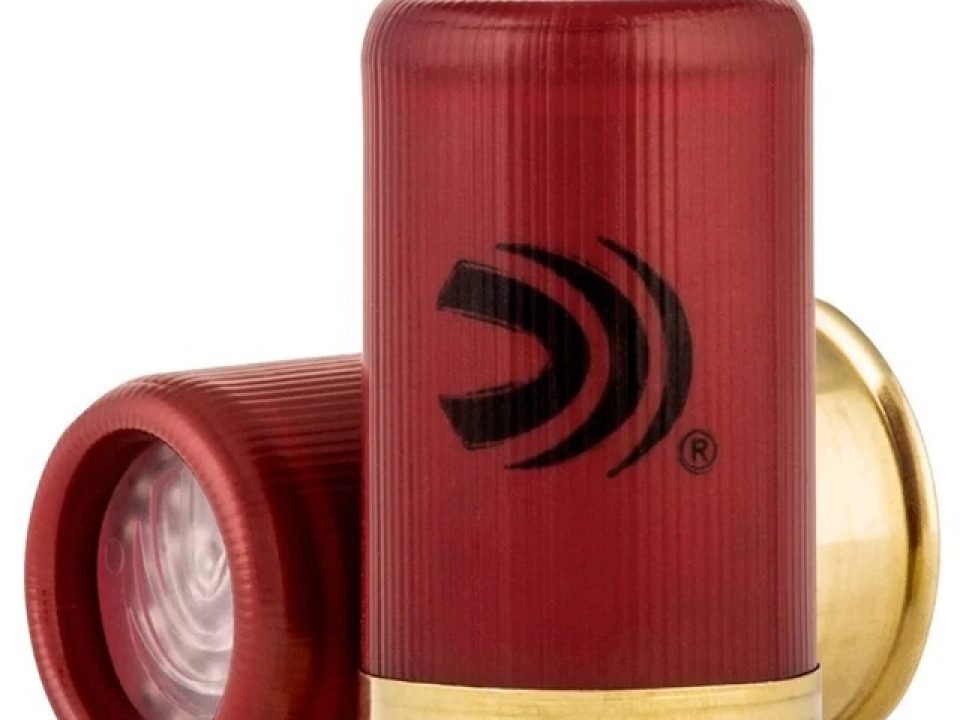
Plated shotshells are coated with a thin layer of metal, typically copper or nickel, which offers a range of advantages over traditional lead shotshells. Plated shotshells have a distinct advantage over traditional lead shotshells due to their increased hardness and uniformity. The plating process ensures that each shot pellet is coated evenly, resulting in a more consistent pattern and improved accuracy. Additionally, the hard metal coating helps to maintain the shape of the pellets during firing, reducing deformation and improving penetration on targets.

Furthermore, plated shotshells are environmentally friendly as they eliminate the risk of lead contamination in the environment. Lead shot has been a major concern for wildlife and water sources, making plated shotshells a more sustainable and responsible choice for shooters. The use of plated shot also reduces the risk of exposure to lead for shooters, further enhancing the safety of using these shells.

plated 1

Enhanced Performance and Accuracy

The uniformity and hardness of plated shotshells contribute to enhanced performance and accuracy on the shooting range. The consistent shape and weight of the pellets ensure a tighter shot pattern, resulting in more hits on target and increased success in hunting or competitive shooting. The increased hardness of the plated pellets also allows for better penetration, making them ideal for shooting at longer distances.

Moreover, plated shotshells are less prone to deformation or damage during loading and firing, ensuring reliable performance shot after shot. The durability of the metal coating extends the lifespan of the shells, making them a cost-effective choice for shooters who value longevity and consistency in their ammunition. Overall, the enhanced performance and accuracy of plated shotshells make them a top choice for serious shooters.

plated 2

Long-lasting Durability and Reliability

One of the key advantages of plated shotshells is their long-lasting durability and reliability in various shooting conditions. The metal coating provides a protective barrier against corrosion and abrasion, ensuring that the shells remain in optimal condition even after prolonged storage or exposure to harsh elements. This durability makes plated shotshells a reliable choice for shooters who demand consistency and performance in all shooting situations.

Additionally, the reliability of plated shotshells translates to improved cycling in semi-automatic and pump-action shotguns, reducing the risk of jams or malfunctions during shooting sessions. The hard metal coating also minimizes fouling in the barrel, resulting in easier cleaning and maintenance of the firearm. The combination of durability and reliability makes plated shotshells a smart investment for shooters who prioritize performance and longevity in their ammunition.

plated 1 1

Here are the key advantages:

1. Harder, More Uniform Shot

Plating adds surface hardness to each pellet, helping it resist deformation during ignition and acceleration.

  • Rounder pellets stay round longer

  • Tighter, more consistent patterns

  • Less “flyer” shot leaving the main pattern

This is a major reason plated shells shine at longer ranges.

2. Improved Pattern Density

Because the pellets deform less and fly straighter:

  • Patterns are denser in the core

  • Fewer gaps or thin spots

  • More effective pellet strikes on target

This is noticeable with choked guns and well-fitted shotguns.

3. Better Penetration

Plated shot penetrates better than soft lead because:

  • Pellets retain shape on impact

  • Energy transfer is more efficient

This is why nickel-plated shot is favored for pheasant, late-season birds, and longer-feathered game.

4. Reduced Barrel and Choke Fouling

The plating acts as a barrier between lead and steel:

  • Less lead smearing in barrels

  • Easier cleanup

  • Reduced choke wear compared to soft lead

This is particularly helpful in tight chokes or high-volume shooting.

5. Cleaner Pellet Separation

Plated shot tends to work very well with modern wads:

  • Cleaner release from the wad

  • More predictable shot string

  • Better downrange performance

6. Extended Effective Range

All of the above combine to:

  • Maintain pattern integrity farther out

  • Increase effective killing distance (ethically)

Many hunters see real benefits beyond 35–40 yards.


Potential Trade-Offs

  • Cost: Plated shells are more expensive

  • Not always needed: At close ranges, plain lead performs similarly

  • Choke selection matters: They often pattern tighter—sometimes requiring a more open choke

Plated shotshells can offer a range of advantages that make them a superior choice for shooters seeking enhanced performance, accuracy, durability, and reliability in their ammunition. The metal coating provides a protective barrier against deformation, corrosion, and environmental contamination, making plated shotshells a responsible and sustainable option for environmentally conscious shooters. Whether you are hunting game or competing in shooting sports, plated shotshells are a reliable and effective choice for achieving success on the range.

# # #

Does Shotgun Barrel Length Impact Target Lead?

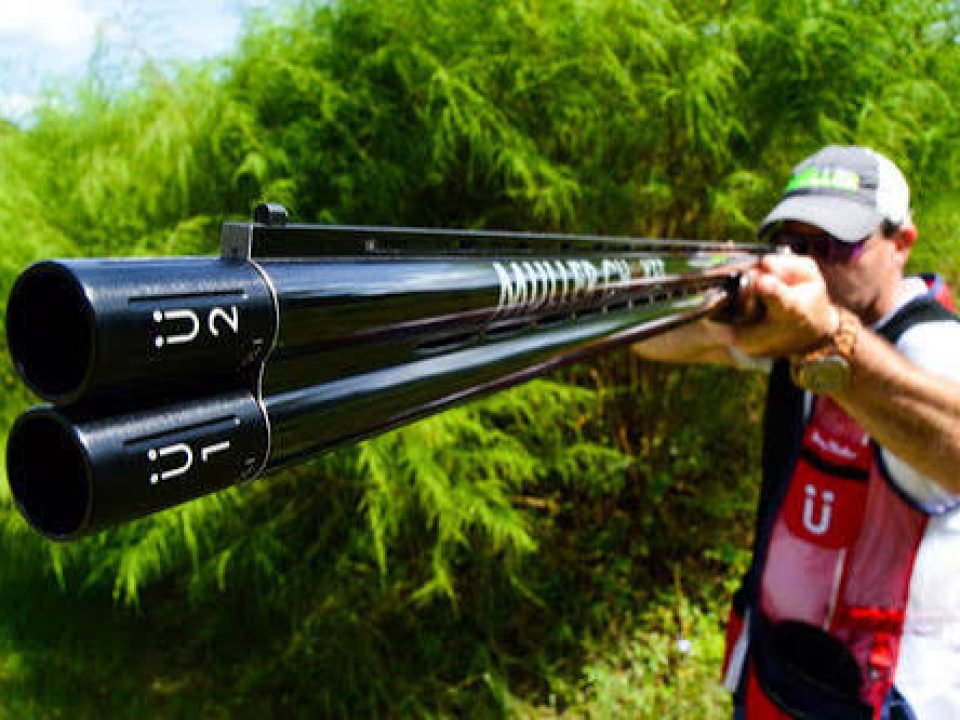
The relationship between shotgun barrel length and target forward allowance (also called lead or sustained lead) is a topic that generates a lot of discussion among clay target shooters, especially in disciplines like skeet, sporting clays, and trap. The key distinction is between the actual required lead (the real distance ahead of the target you must shoot to hit it) and the perceived lead (how much space you visually see between your muzzle/bead and the target in your sight picture).

lead 1

Actual Lead is Unaffected

The real physics of hitting a crossing clay target depends on:

  • Target speed
  • Distance
  • Shot velocity
  • Angle

Barrel length has virtually no meaningful effect on the actual forward allowance needed. The shot charge leaves the muzzle at essentially the same velocity (with modern smokeless powders, velocity gains flatten out after ~24–26 inches), and from that point onward, it travels in a straight line to the intercept point. So whether you use a 26″ or 34″ barrel, the true lead at the target remains identical.

lead 2 1

Perceived Lead: The Real (But Tiny) Difference

This is where barrel length comes into play — and it’s a matter of simple trigonometry (similar triangles).

When using a sustained lead technique (holding a constant gap ahead of the target), most shooters reference the lead relative to the muzzle or front bead (the “sighting plane”). A longer barrel creates a longer sighting plane (distance from your eye to the front bead/muzzle).

  • With a longer barrel, the same actual lead at the target appears as a slightly smaller gap at the muzzle in your field of view.
  • With a shorter barrel, the gap appears slightly larger.

Real-world example (from shooter discussions and calculations):

  • At a typical 21–25 yard crossing target requiring ~3–4 feet of actual lead…
  • Switching from a 28″ barrel to a 32″ barrel might reduce the perceived lead at the bead by roughly 0.1–0.5 inches (often calculated at ~0.09″ for 4″ of extra barrel length).
  • At longer ranges (e.g., 40 yards), this scales up to a perceived difference of a few inches at most.

Most experienced shooters describe this difference as theoretical — too small to reliably notice or adjust for in real time, especially since your hard focus should stay on the target (not the bead) for good shooting. Many top competitors switch between 26–34″ barrels without changing their lead picture.

Here are some typical sporting clays / trap-style shotguns to illustrate common barrel lengths:

(These show a progression from shorter ~26–28″ barrels to longer 30–32″+ barrels often seen in target guns.)

lead 3

Why Longer Barrels Are Still Popular for Target Shooting

While the lead effect is minimal, longer barrels (30–34″) are favored in trap, sporting clays, and long crossers because:

  • They add forward weight → smoother, more stable swing
  • Harder to stop the swing prematurely (helps avoid stopping behind the target — a common miss cause)
  • Better momentum and follow-through

Shorter barrels (24–28″) feel quicker and more maneuverable for upland hunting, skeet, or fast close targets.

Bottom Line

The relationship is real but extremely small — a longer barrel slightly reduces the perceived forward allowance at the muzzle, but it’s negligible for practical purposes. Focus on gun fit, swing dynamics, target focus, and consistent follow-through instead. The best barrel length is the one that feels natural to you and promotes a smooth, uninterrupted swing. Many excellent shooters thrive with anything from 26″ to 34″ once the gun fits well.

# # #

How to Shoot Tower Pheasants

tower 1

Shooting tower pheasants—birds released from height to simulate very high, curling gamebirds—requires a mix of discipline, correct gun mount, and precise timing. Here’s a clear, field-proven approach used on serious tower shoots in the UK and increasingly in the U.S.

Set Up Correctly

  • Stand slightly open, feet shoulder-width apart
  • Front foot pointed where you expect to shoot
  • Weight slightly forward, knees soft
  • Gun Ready Position
  • Butt just off the shoulder pocket, muzzle up
  • Hands relaxed—no death grip
  • Eyes up and scanning, not glued to the bead

Read the Bird

  • Tower pheasants:
  • Start very fast and high
  • Slow as they apex
  • Then curl, stall, or drop steeply
  • Let the bird:
  • Clear the tower
  • Show its line
  • Begin to settle

Pick a Kill Zone

  • Choose one spot in the sky where you’ll shoot:
  • After the bird has committed to a line
  • Before it starts tumbling or dropping straight down
  • This prevents:
  • Chasing the bird
  • Over-swinging
  • Shooting behind

The Mount and Swing

  • Mount smoothly—don’t snatch
  • Bring the gun to your face first, then shoulder
  • Keep your head down on the stock
  • Swing through the bird
  • Start below and behind
  • Match speed
  • Accelerate through the beak
  • Pull the trigger while still swinging
  • Stopping the gun = missed bird.

Lead: Less Than You Think

  • Because tower pheasants:
  • Are often slowing
  • May be dropping vertically
  • Typical lead:
  • 12–24 inches on a crossing bird
  • Very little lead on straight-down or curling birds—often just cover the bird and pull through
  • Trust your eyes, not the bead.

Most of all, however, shoot safe. Always be aware of the shooters, dogs and bystanders around you.

# # #

Why the Shoulder Pocket is Critical When Shooting a Shotgun

When it comes to shooting a shotgun, proper shoulder placement is crucial for accuracy and comfort. One key aspect of shoulder placement is the shoulder pocket, a term often used in the world of shooting sports. In this article, we will delve into what the shoulder pocket is and why it is important when shooting a shotgun.

Understanding the Concept of the Shoulder Pocket

The shoulder pocket refers to the space between your shoulder joint and your chest where the stock of the shotgun rests when you mount the gun. This area provides a stable base for the shotgun to recoil against when fired, reducing felt recoil and allowing for better control of the firearm. Proper placement of the shotgun in the shoulder pocket also helps to align your eye with the barrel, improving your aim and accuracy.

To find your shoulder pocket, start by bringing the shotgun up to your shoulder and resting the stock in the space between your shoulder joint and chest. The stock should sit firmly in this pocket without any gaps or slippage. Adjust your stance and gun mount as needed to ensure a comfortable and secure fit in the shoulder pocket. With practice, mounting the shotgun in the shoulder pocket will become second nature, leading to more consistent and accurate shooting.

Pocket 1

Importance of Proper Shoulder Placement in Shotgun Shooting

Proper shoulder placement is essential for a number of reasons when shooting a shotgun. First, it helps to absorb and distribute the recoil of the shotgun, reducing the impact on your body and allowing for quicker follow-up shots. Additionally, shoulder placement affects the alignment of your eye with the barrel, which is crucial for accuracy. By consistently mounting the shotgun in the shoulder pocket, you can improve your shooting technique and overall performance on the range or in the field.

In shotgun sports such as trap, skeet, and sporting clays, mastering proper shoulder placement can make a significant difference in your scores. By focusing on the shoulder pocket and ensuring a consistent mount, you can eliminate variables that may impede your progress and become a more skilled shooter. Whether you are a beginner or a seasoned competitor, paying attention to your shoulder placement when shooting a shotgun is key to unlocking your full potential.

In conclusion, the shoulder pocket plays a vital role in shotgun shooting, providing a stable base for the firearm and aiding in recoil management and accuracy. By understanding the concept of the shoulder pocket and practicing proper shoulder placement, shooters can improve their performance and consistency on the range. So next time you pick up a shotgun, pay attention to your shoulder pocket and feel the difference it can make in your shooting experience.

Pocket 2 1

Why the Shoulder Pocket Matters

  • Recoil management: Placing the butt in the shoulder pocket spreads recoil over muscle rather than bone, making recoil feel softer and more controllable.

  • Consistent gun mount: A repeatable mount into the same spot every time helps with instinctive shooting and consistent point of impact.

  • Control and swing: Proper placement keeps the gun stable during the swing, especially important in sporting clays, skeet, upland, and driven shooting.

  • Injury prevention: Mounting too far out on the shoulder or on the collarbone can cause bruising, soreness, or even nerve irritation.

Common mistakes

  • Too far out on the shoulder: Causes more felt recoil and can let the gun slip under recoil.

  • On the collarbone: Painful and often leads to flinching.

  • Too low or loose: Reduces control and consistency.

Proper placement tips

  • The toe of the buttstock should sit comfortably in the pocket without digging in.

  • The gun should come to your face first, then settle naturally into the shoulder pocket.

  • Your head should stay upright—don’t lower your head to meet the gun.

  • A properly fitted stock will naturally find the shoulder pocket without forcing it.

Given your interest in shotgun fit and stock design, this is one of those fundamentals that ties directly into length of pull, pitch, and recoil pad shape — all of which help the gun land in the shoulder pocket correctly every time.

# # #

The Different Styles of Shotgun Grips

Shotgun grips come in various shapes, sizes, and materials, each designed to cater to different shooting styles and preferences. The most common types of shotgun grips include pistol grips, straight grips, and thumbhole grips. Pistol grips feature a vertical design that allows the shooter to hold the shotgun more securely with their dominant hand. Straight grips are straight in shape and provide a more traditional feel, popular among hunters and traditional shooters. Thumbhole grips have a hole for the shooter’s thumb to pass through, offering enhanced stability and control.

1. Straight Grip (English Grip)

Description:

  • No pistol-style curve; the wrist stays relatively straight.

  • Common on traditional side-by-side shotguns.

straight grip 300x170 1

Advantages:

  • Encourages quick hand movement and instinctive shooting

  • Easier to slide the hand back for opening the gun

  • Classic, lightweight feel

Disadvantages:

  • Less control under heavy recoil

  • Not ideal for high-volume shooting

Best for:

  • Upland hunting (quail, grouse, woodcock)

  • Walk-up shooting and traditional game guns


2. Pistol Grip

Description:

  • Pronounced curve like a handgun grip.

  • Very common on over/unders and semi-autos.

pistol grip

Advantages:

  • Strong control and recoil management

  • Comfortable for sustained shooting

  • Works well with heavier loads

Disadvantages:

  • Slightly slower hand movement for some shooters

  • Less traditional look

Best for:

  • Sporting clays, trap, skeet

  • Waterfowl and target shooting


3. Prince of Wales Grip

Description:

  • A compromise between straight and full pistol grip.

  • Gentle curve with a slimmer profile.

Prince 2

Advantages:

  • Good balance of control and elegance

  • More comfortable than straight grip for many shooters

  • Allows faster hand repositioning than a full pistol grip

Disadvantages:

  • Not as much leverage as a full pistol grip

Best for:

  • Driven game

  • Upland hunting with modern loads

  • Shooters who want versatility


5. Round Knob / Ball Grip

Description:

  • A straight grip with a rounded knob at the end.

  • Classic British design.

Prince 1

Advantages:

  • Helps maintain hand position

  • Retains straight-grip flexibility

Disadvantages:

  • Limited recoil control

Best for:

  • Traditional side-by-side game guns

Just as a wing and clays shooter strives for the perfect gun fit, they should consider the perfect grip for their shotgun.

# # #

Fausti, Beretta, Purdey, Holland & Holland, McKay Brown, Fabbri and Vintage Classics Debut at the New Sprawling Mallards Shooting Supply & Apparel Destination

Enter the luxurious fine gun room of the new Mallards Shooting Supply & Apparel and you’ll be amazed at the names of legendary shotguns resting in the red-velvet-lined cases: Fabbri, Purdey, Perazzi, Buchan, Holland & Holland, Beretta Premium along with vintage collectibles from LC Smith, Winchester and Parker Brothers (plus a selection of stunning Rigby rifles).

It’s Grand Opening Saturday night on November 15, 2025. The classical Julian & Sons built gun room, safeguarded by a massive vault door, is jammed with guests browsing and chatting. Among them are Grant Buchan and his wife Holly. Grant owns Scottish shotgun makers McKay Brown and Buchan Guns. The Buchans arrived from Scotland to help promote the new relationship between McKay Brown and Mallards. Grant explained that he had parted ways with fabled Griffin & Howe, his original East Coast agent, in favor of Mallards because he strongly believed that Mallards is the more visionary of a business partner in the marketing of best shotguns and their new joint program of organizing and promoting Scottish estate driven shoots to Mallard clients.

Read More

Beretta Launches the AX800 Suprema

AX800

Beretta unveils the new AX800 Suprema, a ground-up engineered waterfowl shotgun that pushes the company’s performance, durability, and ergonomics into a new class. Built for serious hunters who demand maximum reliability in the blind, on the boat, and in the worst weather, the AX800 Suprema combines breakthrough gas-system technology, championship barrel engineering, and industry-leading recoil mitigation to deliver more effective shots, faster follow-ups, and less maintenance between hunts.

“The AX800 Suprema is the most advanced waterfowl shotgun we’ve ever built,” said Caleb McMillen, Beretta USA Sr. Product Manager for Long Guns. “Every part of this platform was designed and engineered to give waterfowl hunters an advantage: harder hitting and more consistent patterns, faster cycling, dramatically reduced felt recoil, cleaner operation, and a fit system that lets shooters fine-tune the gun to their body.”

Key innovations & features

  • B-LINK® Pro Gas System – Our fastest, cleanest, most reliable gas system to date. B-LINK Pro cycles everything from light target loads to heavy magnums with ease, running 36% faster and 46% cleaner than prior Beretta gas systems (including the A400 Xtreme Plus). The result: softer felt recoil, more consistent cycling, and less time cleaning between hunts.
  • Steelium® Pro Barrels – Barrel technology trusted by the world’s best clay shooters is now built for the blind. Proven in our world-champion DT11, the shotgun behind 14 out of 15 podium finishes at the 2024 Olympics, Steelium® Pro features an extended 17.7″ (450mm) forcing cone to deliver tighter, more consistent patterns, greater down range energy, and reliable performance, shot after shot.
  • Kick-Off® Pro Recoil Reduction – Built to handle the heaviest waterfowl loads, the Kick-Off® Pro stock system cuts felt recoil by up to 70%.
  • High-Tech Polymer Receiver – Rugged, weatherproof, and easy to clean. The sleek high-tech polymer receiver features a modular design and an integrated optic mount to keep you ready for any setup.
  • Adjustable Fit System – Fully configurable to fit each shooter out of the box. Interchangeable pistol grip, adjustable comb, adjustable length of pull, cast/drop adjustments, and a weather-resistant recoil pad. Designed for intuitive handling in tight blind and boat environments; features a flat trigger with a crisp break and fast reset.
  • User-First Ergonomics – Oversized loading port with pro-lifter, bolt handle, bolt release, and enlarged trigger guard for reliable operation in wet, cold, or gloved conditions.

Designed for real-world waterfowl hunting, the AX800 Suprema emphasizes both peak performance and field durability. The combination of B-LINK® Pro’s rapid, clean cycling, the Steelium® Pro barrel’s pattern control and recoil reduction means hunters can trust their first shot and their last, all season long. The AX800 Suprema will be available through authorized Beretta dealers in December, offered in a variety of finishes to match any environment or style. The release also complements Beretta’s recently launched Suprema Waterfowl Collection, a premium apparel line designed to keep hunters dry, warm, and concealed in even the toughest environments.

Stay connected with Beretta USA. Follow us on FacebookInstagram, XYouTube and LinkedIn for the latest news, products, and updates.

About Beretta

Established in 1526, Beretta is the world’s longest-standing industrial dynasty, with a legacy spanning 16 generations of continuous family ownership. For nearly 500 years, firearms bearing the Beretta name have been trusted and used around the world. Beretta USA Corp. was established in 1977 and quickly became the provider of the most widely deployed sidearm in the U.S. Armed Forces. Today, Beretta USA is part of Beretta Holding Group, which includes over 50 global subsidiaries and 20 renowned brands. Beretta manufactures, distributes, and markets a complete range of firearms, accessories, and apparel. The company also owns and operates six Beretta Gallery retail stores worldwide.

For more information, visit www.Beretta.com.

Repairing Your Shotgun Barrels With Restriking

Restriking is a process that involves reshaping the damaged portion of a shotgun barrel by using specialized tools and techniques. This method is commonly used to repair barrel bulges, dents, and other forms of damage that may affect the performance of the firearm. By carefully reshaping the affected area, gunsmiths can ensure that the barrel retains its structural integrity and functionality.

One of the key benefits of restriking is that it can help extend the lifespan of your shotgun barrels. Rather than having to replace the entire barrel, which can be costly and time-consuming, restriking allows you to repair the damage and continue using your firearm. This makes it a cost-effective solution for shotgun owners who want to keep their firearms in top condition without breaking the bank.

Read More

What is the Regulation of Shotgun Barrels?

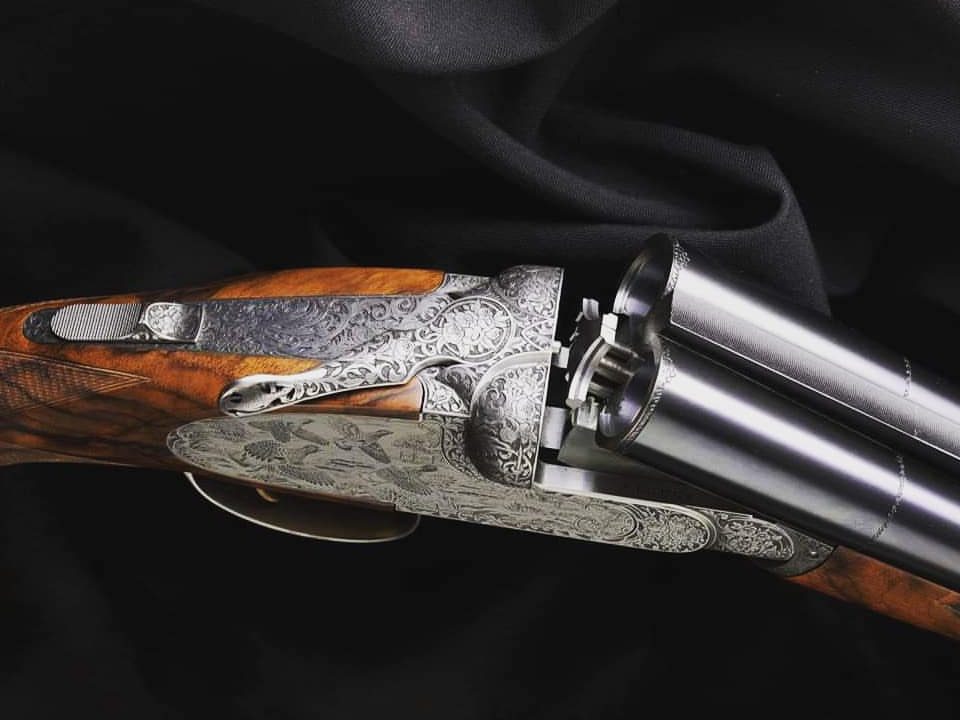
In the context of double-barreled shotguns (side-by-side or over/under), “regulation” refers to how the two barrels are aligned so that they both shoot to the same point of impact (POI) at a specific distance.

What “Regulation” Means

Shotgun barrels are not perfectly parallel. Because each barrel is offset from the bore centerline, a gunsmith must adjust their angles during construction so that:

Both barrels’ patterns overlap at a chosen distance (usually 40 yards for field guns, sometimes 21–30 yards for skeet).

Vertical alignment (over/under barrels) is correct.

Horizontal alignment (side-by-side barrels) is correct.

This ensures that when you fire either barrel, the pattern hits where you’re aiming.

Read More

Shotgun Life Newsletters

Join an elite group of readers who receive their FREE e-letter every week from Shotgun Life. These readers gain a competitive advantage from the valuable advice delivered directly to their inbox. You'll discover ways to improve your shooting, learn about the best new products and how to easily maintain your shotgun so it's always reliable. If you strive to be a better shooter, then our FREE e-letters are for you.